Look through the application
Our AI infrastructure research begins below the software layer. We map the equipment, facilities and operating systems required to deliver computing capacity. The IEA’s work on energy and AI provides one starting point for understanding the connection between data centres and electricity.
The research question is not simply whether a technology will be adopted. It is which businesses provide a necessary capability, how they are paid and what could weaken their position.
Separate the layers
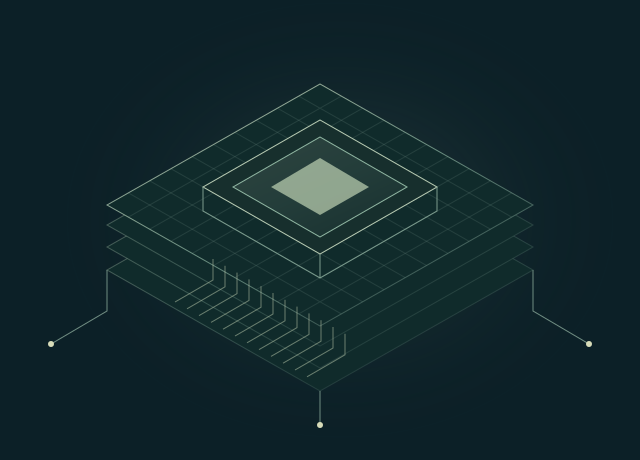
We look at semiconductor design and fabrication, manufacturing equipment, packaging, memory, networking, data centres, electrical systems and cooling. Each layer has its own customers, alternatives and capital requirements.
A favourable outlook for the ecosystem does not answer every company-level question. We still need to examine competition, customer concentration, replacement cycles and the durability of each business model.
Follow the constraints
Capacity announcements are a useful starting point for investigation. We then ask which dependencies must be satisfied before the capacity is delivered and used. Equipment availability, construction, connection to power and customer readiness belong in that assessment.
For a hypothetical data-centre project, securing a site is different from obtaining power, completing the building and generating contracted revenue. Our research tracks those milestones separately instead of treating them as one event.
Return to the economics
We examine the capital required, the expected utilisation, the contractual arrangements and the financing structure. We ask who bears the risk of a delay, an efficiency improvement or a change in a major customer’s plans.
The aim is to connect a compelling technological theme to an explicit business case. A clear case explains the source of potential value and the assumptions that might prevent it from being realised.
Educational material. Hypothetical examples illustrate research questions and are not investment recommendations.